Spooky Halloween Font for Web Design and Digital Branding
Integrating Spooky Halloween Script Handwritten Fonts into Seasonal Landing Pages
When building a seasonal campaign or a thematic microsite, selecting the right typeface is critical for establishing immediate visual context, and Spooky Halloween serves as an ideal solution for web designers seeking authentic atmosphere. As a dedicated script handwritten style within the broader category of display fonts, this typeface offers a distinct personality that transcends generic holiday clip art. For UI designers and digital product creators, the primary challenge during seasonal transitions is maintaining brand integrity while adopting a festive tone. Spooky Halloween bridges this gap by providing a handcrafted aesthetic that feels organic rather than manufactured. When deployed in hero sections or above-the-fold content, this font signals to users immediately that they have entered a specialized experience. The irregular baselines and textured strokes inherent in this script handwritten design mimic traditional sign painting, which adds a layer of tactile warmth to digital screens. This is particularly effective for boutique online stores or event landing pages where the goal is to evoke nostalgia and excitement without sacrificing professional presentation.
Optimizing Visual Hierarchy with Spooky Halloween Display Typography
Effective web design relies on clear scanning patterns, and using Spooky Halloween as a primary heading font helps establish a strong visual hierarchy for seasonal projects. Because this typeface possesses high decorative value, it functions best when reserved for large-scale applications such as H1 tags, banner overlays, and promotional graphics. In conversion-focused layouts, readability is paramount; therefore, designers should utilize Spooky Halloween for short, impactful phrases rather than dense paragraphs. The unique character shapes create natural focal points that guide the user’s eye toward key information like sale dates or event titles. When integrating this font into a responsive layout, it is essential to test scaling behaviors across devices. On mobile screens, script handwritten fonts can sometimes lose legibility if sized too small, so setting appropriate minimum font sizes ensures the spooky aesthetic remains intact without compromising accessibility. By treating Spooky Halloween as a graphical element rather than standard body text, web designers can maintain fast cognitive processing speeds for visitors while delivering the intended thematic impact.
Leveraging Special Symbols in Spooky Halloween for Interactive Web Elements
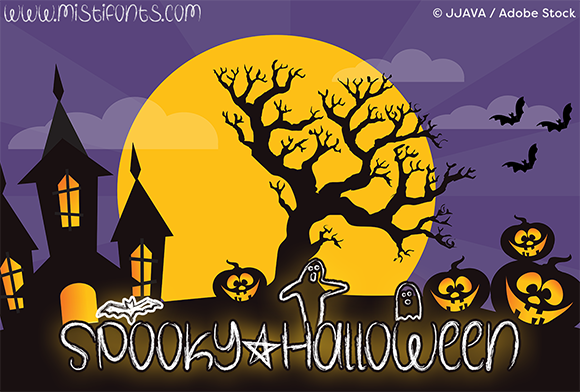
Beyond standard alphanumeric characters, Spooky Halloween includes embedded special symbols that function as powerful design assets for enhancing user engagement and visual storytelling. Understanding these ligatures and alternates allows digital creators to add custom iconography without leaving their typography workflow. Specifically, typing an asterisk renders a star symbol, which can be used to highlight featured products or mark important dates in a calendar widget. Typing a circumflex produces a bat silhouette, perfect for adding subtle motion or thematic accents to navigation menus or section dividers. Furthermore, the vertical bar key activates a big ghost glyph, serving as an excellent bullet point alternative for lists or a standalone decorative marker in empty states. Finally, the backslash key provides additional ornamental utility. These integrated symbols streamline the design process for app screens and web banners by keeping all visual elements within a single font file. This reduces HTTP requests compared to loading separate SVG icons and ensures perfect color matching across all branded touchpoints. For UI designers, this level of typographic detail supports a cohesive interface where every element, from headlines to micro-interactions, adheres to the same stylistic language.
Font Pairing Strategies for Spooky Halloween in Commercial Web Projects
To maximize the effectiveness of Spooky Halloween in professional web environments, it must be paired with complementary fonts that ensure long-form content remains accessible and readable. While Spooky Halloween excels at capturing attention in headers and logos, it should always be balanced with a clean sans serif or neutral serif font for body copy, pricing tables, and legal disclaimers. A geometric sans serif creates a modern contrast that grounds the whimsical nature of the script handwritten header, preventing the overall design from feeling chaotic. Conversely, pairing it with a classic serif can evoke a vintage storybook feel suitable for editorial content or blog posts about Halloween traditions. This strategic font pairing is essential for maintaining trust in commercial contexts; users need to read product descriptions and checkout instructions without strain. When designing for dark mode interfaces—a popular choice for Halloween themes—ensure sufficient contrast ratios between the Spooky Halloween text and the background. Light-colored text on deep purple or charcoal backgrounds often enhances the eerie vibe while meeting WCAG accessibility standards. Always verify that your chosen pairing supports the same language sets to avoid fallback issues in multilingual e-commerce stores.
Technical Implementation and Licensing for Spooky Halloween Digital Assets
Before deploying Spooky Halloween across live websites, apps, or client deliverables, web designers must address technical specifications and licensing requirements to ensure compliance and performance. As a premium script handwritten asset, verifying the specific license tier is crucial; personal use licenses typically do not cover commercial websites, SaaS platforms, or monetized digital products. Securing the correct commercial webfont license protects both the designer and the client from legal complications. From a technical standpoint, check whether the font package includes WOFF2 formats for optimal web performance. WOFF2 files are significantly smaller than TTF or OTF versions, reducing page load times which directly impacts SEO rankings and bounce rates. Additionally, review the OpenType features included in the file. Accessing the special symbols mentioned earlier may require enabling specific stylistic sets or contextual alternates in your CSS using font-feature-settings. For platforms like Shopify, WordPress, or Webflow, uploading custom fonts correctly ensures consistent rendering across browsers. Testing Spooky Halloween on actual devices, not just design mockups, reveals how anti-aliasing affects the delicate edges of the handwritten strokes. Proper implementation transforms this font from a simple decorative choice into a robust component of a scalable digital design system.
Enhancing Brand Identity with Spooky Halloween Across Digital Touchpoints
Consistency builds recognition, and applying Spooky Halloween strategically across various digital channels reinforces a unified brand identity during seasonal campaigns. For social media graphics and ad creatives, this font acts as a scroll-stopper, distinguishing paid media from organic feed content. When used in email marketing headers, it increases open rates by promising a themed experience before the user even clicks through. For course creators and coaches launching autumn workshops, Spooky Halloween conveys creativity and approachability, making educational content feel less rigid. However, restraint is key; overusing a display font dilutes its power. Limit its application to high-value real estate such as logo lockups, limited-time offer badges, and signature sign-offs. This selective usage preserves the font's novelty and impact. Digital product creators selling templates or printables can also leverage Spooky Halloween to demonstrate versatility to potential buyers. By showcasing the font in realistic mockups—such as website hero images, packaging labels, and mobile app splash screens—designers provide tangible proof of its utility. Ultimately, Spooky Halloween is more than a novelty typeface; it is a functional tool for crafting immersive, conversion-oriented web experiences that resonate emotionally with audiences while adhering to modern usability standards.